
Evangelicals & The Moral Pretension at Cities Church | Cities Church Protest
Updated: Jan 28
Introduction: When Virtue Is Performed, Not Practiced
Moral pretension is one of the most seductive sins in public Christianity. It allows individuals and institutions to signal righteousness without submitting to it, to condemn others loudly while excusing themselves quietly.
In today’s Evangelical landscape, moral pretension often masquerades as prophetic courage. But Scripture treats it as hypocrisy — and judges it severely.
What Moral Pretension Looks Like

Public outrage often substitutes for private obedience.
Moral pretension appears whenever outrage replaces repentance, and accusation replaces self-examination. It thrives in environments where:
Public virtue is rewarded
Confession is punished
Apology is treated as a weakness
Ideological alignment substitutes for holiness
Jesus reserved His harshest words not for pagans, but for religious leaders who mastered this posture.
“They preach, but do not practice.” (Matthew 23:3)
The Pharisaical Instinct Never Left the Church

Religious language does not prevent religious hypocrisy.
The Pharisees were not immoral by reputation. They were admired, respected, and socially influential. Their sin was not lawlessness — it was performative righteousness.
They loved being seen as virtuous more than becoming virtuous.
Jesus exposed this instinct directly:
“Woe to you, scribes and Pharisees, hypocrites! For you clean the outside of the cup… but inside they are full of greed and self-indulgence.” (Matthew 23:25)
Modern Evangelical moral pretension differs only in aesthetics, not essence.
Selective Standards and Ideological Holiness

Moral outrage is often applied selectively rather than consistently.
One hallmark of moral pretension is selective enforcement. Certain sins are amplified relentlessly; others are minimized, rationalized, or ignored entirely — depending on cultural utility.
This explains why:
Sexual immorality is condemned in some contexts and celebrated in others
Violence is decried selectively
Abortion is reframed as compassion
Lawlessness is excused when politically convenient
Scripture calls this double-mindedness (James 1:8).
Data, Facts, and the Inconvenience of Truth

Objective data often disrupts preferred moral narratives.
Moral pretension resists data because facts limit performance. When statistics challenge the narrative — whether on family breakdown, abortion, crime, or education — they are dismissed as “harmful” or “lacking compassion.”
But biblical morality is never allergic to truth.
“Buy truth, and do not sell it.” (Proverbs 23:23)
A righteousness that cannot withstand evidence is not righteousness at all.
Scripture Condemns Pretended Righteousness
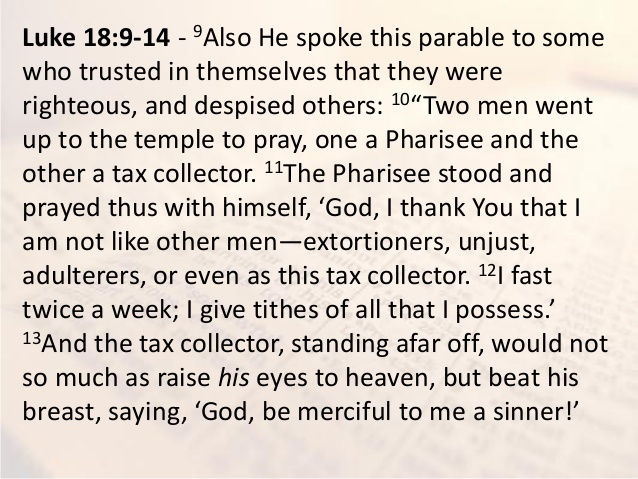
God opposes self-righteousness and exalts humility.
Jesus explicitly addressed those “who trusted in themselves that they were righteous, and treated others with contempt” (Luke 18:9). The Pharisee’s prayer was orthodox — and condemned. The tax collector’s repentance was brief — and justified.
Moral pretension blinds the conscience because it convinces the sinner he is already clean.
The Cost to Evangelical Witness
When Evangelicals engage in moral pretension:
Repentance disappears
Courage becomes theatrical
Accountability becomes optional
Grace becomes selective
Authority collapses
A church that cannot confess sin loses the authority to confront it.
The world does not need more moral performers. It needs repentant truth-tellers.
Video: Evangelical Worldview Response
Watch more Evangelical worldview analysis on YouTube:https://www.youtube.com/@thinkingcriticallyfromanev3590
This channel exists to help Christians think clearly, reason biblically, and resist ideological narratives that undermine truth, justice, and ordered liberty.
👉 Subscribe for thoughtful Christian analysis, cultural critique, and biblical discernment.
Related Reading (Internal Links)
Evangelicals & the Selective Prophetic Witness in the African American Church:
Evangelicals & the Black Family Cultural Crisis:
https://www.thinkingcriticallyfromanevangelicalworldview.com/post/black-family-cultural-crisis
Evangelicals & the Racialization of Virtue:
https://www.thinkingcriticallyfromanevangelicalworldview.com/post/racialization-virtue
Recommended Resource
Weighed and Found Wanting —
Ricky V. Kyles Sr.https://www.amazon.com/dp/1644687895/
Conclusion: God Is Not Impressed by Performance
Moral pretension may earn applause, but it invites judgment. The gospel does not call us to appear righteous — it calls us to be transformed.
Evangelicals must choose humility over performance, repentance over posturing, and truth over applause.
With fear & trembling,
Ricky V Kyles Sr. DEd.Min

Comments